Programming an LED dot matrix display usually means using a controller to decide which LEDs turn on, how bright they are, and how they move across the display. It can show text, numbers, symbols, simple patterns, or animation effects. For small projects, this may be done with Arduino or a similar control board. For commercial signage, the idea is similar, but the requirements are much higher.
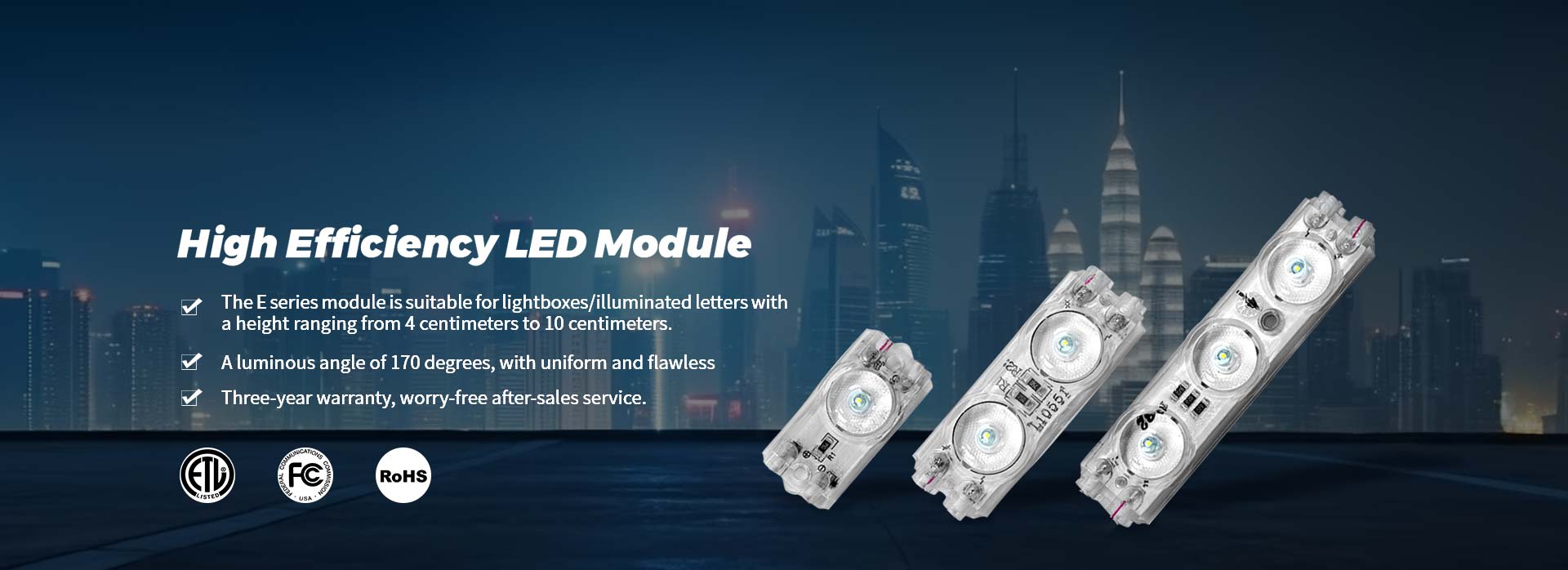
For signage manufacturers, lighting distributors, advertising companies, and project buyers, programmable lighting is not only about making LEDs flash. It is about creating clear visibility, stable brightness, easy installation, and long-term performance. Our led sign lighting modules for mini channel letters are made for compact sign structures where even illumination and practical installation matter.
An LED dot matrix display is built from many small LED points arranged in rows and columns. The controller sends signals to these points, telling each one when to turn on or off. By refreshing the LEDs quickly, the display can show moving text, changing symbols, or simple animation.
In a basic setup, the system usually includes an LED matrix, a controller, a power supply, and programming software. The program defines the display content, movement speed, brightness level, and timing. If the wiring or power supply is not stable, the display may flicker, show wrong patterns, or lose brightness.
For commercial lighting projects, the same logic applies. The LEDs must receive stable power, correct control, and proper installation spacing to create a clean final effect.
A dot matrix display focuses on changing content. It may scroll messages, display numbers, or show moving patterns. Channel letter lighting focuses more on stable illumination. The goal is to make each letter look bright, clean, and readable from a distance.
Our LED Modules for mini channel letters are not used like a programmable dot matrix board. They are used inside small signage letters to provide even light. However, buyers searching for LED dot matrix programming often also need to understand how LED placement, power control, and brightness planning affect the final sign effect.
For advertising signs, the lighting result depends on both the module quality and installation layout. If the module spacing is too wide, the letter may show dark areas. If the brightness is not matched properly, the sign may look uneven or too harsh.
For a small LED dot matrix project, the process is usually simple. First, connect the display to the controller. Then connect the correct power supply. After that, install the needed library or software, upload the code, and test the display content.
A typical program controls:
Which LED points turn on
Text direction and scrolling speed
Brightness level
Pattern timing
Display refresh behavior
For signage buyers, this helps explain why lighting design should be planned before production. Even when a sign does not need moving content, the electrical layout and brightness plan must still be correct.
Mini channel letters have limited internal space, so the led module must be compact, efficient, and easy to arrange. A large module may not fit well inside narrow letters, while weak brightness may make the sign look dull.
Our LED sign lighting modules for mini channel letters support small sign structures where uniform lighting is important. They can help buyers reduce dark spots and create a cleaner visual effect for indoor and outdoor advertising signs, retail logos, store names, and decorative brand displays.
For B-end buyers, the real value is not only the module itself. It is whether the module can help reduce installation time, improve sign appearance, and keep repeat project quality stable.
Whether programming a dot matrix display or installing LED modules in channel letters, power planning is critical. Too many LEDs on one weak power supply can cause voltage drop, uneven brightness, or early failure. Proper wiring helps keep the lighting stable across the whole sign.
For mini channel letters, buyers should confirm the letter size, stroke width, depth, installation environment, and required brightness before choosing modules. This helps avoid over-lighting, under-lighting, or wasting materials.
Project buyers should also consider maintenance. A reliable LED module should be easy to install, stable during long working hours, and suitable for the actual sign structure.
A good LED module supplier should understand signage applications, not just LED specifications. For buyers handling bulk orders, the supplier should provide stable brightness, consistent color temperature, clear product details, and practical support for project matching.
For OEM and ODM lighting projects, buyers may need customized packaging, logo support, brightness options, color temperature choices, or project-based supply plans. These details are useful for distributors, signage factories, and lighting contractors who need consistent quality for repeat orders.
Programming an LED dot matrix display requires a controller, correct wiring, stable power, and suitable code to control text or patterns. It is useful for understanding how LED displays work. For mini channel letter signage, the focus is different: buyers need compact LED modules that deliver even brightness, simple installation, and reliable long-term lighting.
Our LED sign lighting modules for mini channel letters are suitable for compact signs, brand letters, retail displays, and signage projects that require clean illumination.
Preparing a mini channel letter lighting project? Send us your letter size, sign depth, color temperature, quantity, and installation environment. We can help you choose a suitable LED module and offer practical guidance before production.